
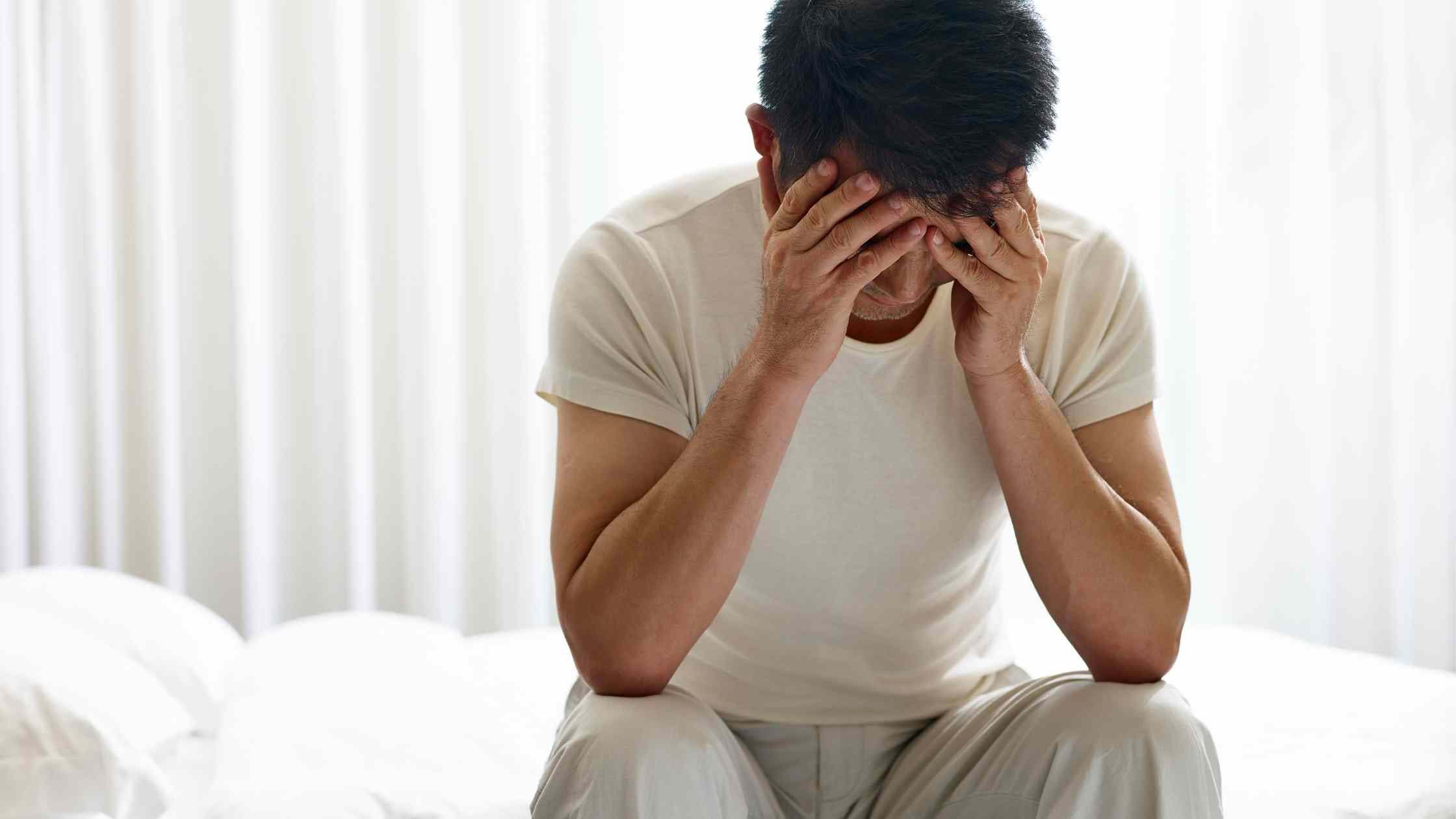
Nightfall (Wet Dreams/ Swapandosh) – Causes, Treatments, FAQs
Nightfall, also known as nocturnal emissions or swapandosh, is a common physiological phenomenon that many men experience throughout their lives. It refers to the involuntary ejaculation of semen during sleep. While it is a natural process for the body to regulate its reproductive system, frequent or excessive nightfall can sometimes become a source of concern or anxiety. Understanding the distinction between natural bodily functions and potential underlying issues is key to peace of mind. In this guide, we will explore the causes, myths, and evidence-based management strategies for nightfall to help you better understand this topic.

What is Nightfall, Wet Dreams, or Swapandosh?
Nightfall is a normal physiological occurrence, most commonly reported by adolescent and young adult males. It involves the involuntary release of semen during sleep, often coinciding with sexually charged dreams or fantasies. These nocturnal emissions are a routine part of male sexual maturation and reproductive health. They are generally not related to any serious medical condition and represent the body’s natural cycle of refreshing sperm stores.

Why Does Nightfall Occur?
Nightfall is primarily a biological response. For many, it is simply the body’s way of managing semen production when it is not being expelled through other sexual activities. Key factors include:
1. Hormonal Changes
During puberty, the body experiences a significant surge in testosterone. This hormonal shift naturally increases sexual drive and the rate of sperm production, often leading to more frequent nocturnal emissions as the body regulates itself.
2. Sexual Arousal During Sleep
Dreams involving sexual imagery or physical contact can trigger the brain’s reward centers, even during REM sleep, resulting in an involuntary ejaculation.
3. Natural Sperm Cycle
The male body continuously produces sperm. If a person is not sexually active or does not masturbate, the body may release accumulated fluid periodically to maintain a healthy reproductive environment.
It is important to emphasize that nightfall is not a sign of sexual dysfunction, nor does it imply a loss of “vital energy” or physical health.
How Often is Nightfall Normal?
There is no “normal” number of times a person should experience nightfall. Frequency is highly subjective and depends on variables such as age, individual metabolic rates, and levels of sexual activity. While it is more common in the teenage years, it can persist into adulthood for many. A few times a month is entirely typical and is not indicative of any underlying health problem.
Common Triggers and Causes
While often random, certain lifestyle factors can increase the frequency of nocturnal emissions:
- Increased Sexual Stimulation: Exposure to explicit content can influence dream states and increase arousal levels.
- High Stress and Anxiety: Psychological stress can impact sleep quality, and in some instances, influence the body’s hormonal response.
- Sleep Position: Some men report that sleeping on the stomach increases pressure on the genitals, which might trigger arousal.
- Underlying Health Issues: In rare cases, frequent discharge can be associated with inflammation of the prostate or urinary tract, which warrants a medical consultation.

Addressing Potential Concerns
Nightfall is not inherently harmful. However, the anxiety surrounding the topic can lead to secondary effects:
- Psychological Stress: Many individuals feel embarrassment or shame due to societal myths, which can lead to unnecessary anxiety.
- Fatigue: Some individuals feel lethargic upon waking, though this is often a result of poor sleep quality rather than the ejaculation itself.
- Sleep Interruption: Waking up mid-night can disrupt circadian rhythms, leading to daytime tiredness.
Evidence-Based Management and Lifestyle Tips
If you find that nightfall is causing you significant distress, the following strategies can help manage its frequency and improve your overall well-being:
1. Strengthen Pelvic Floor Muscles
Kegel exercises are highly effective. By strengthening the pubococcygeus (PC) muscles, you gain better control over your pelvic region.
2. Stress Management
High stress levels can interfere with healthy sleep. Practices like mindfulness meditation, deep-breathing exercises, and regular physical activity can help regulate your autonomic nervous system.
3. Improve Sleep Hygiene
Maintain a consistent sleep schedule, ensure your bedroom is dark and cool, and avoid screens for at least an hour before bed. Sleeping on your back or side rather than your stomach may also help reduce physical stimulation.
4. Dietary Adjustments
While no specific food can “stop” nightfall, maintaining a balanced diet rich in zinc and magnesium supports reproductive health. Reducing the intake of heavy, spicy, or stimulants (like caffeine) shortly before bed can promote more restful sleep.
Ayurvedic Perspectives
Ayurveda views nightfall (Swapandosh) through the lens of Vata dosha imbalance. Practices such as Abhyanga (oil massage) are often recommended to soothe the nervous system. As with any herbal intervention, such as using Ashwagandha, it is essential to consult with a qualified Ayurvedic practitioner to ensure the treatment is tailored to your specific body type.
Yoga Poses for Better Control
Yoga can improve mind-body connection and pelvic health:
- Vajrasana (Thunderbolt Pose): Aids digestion and calms the mind.
- Sarvangasana (Shoulder Stand): Believed to support hormonal balance by stimulating the thyroid gland.
- Paschimottanasana (Seated Forward Bend): Encourages deep relaxation and reduces nervous system excitability.
Is There a “Benefit” to Nightfall?
From a biological standpoint, nightfall is essentially an “overflow” mechanism. It helps the body purge older sperm to make room for new, motile sperm. Furthermore, some studies suggest that regular ejaculation—whether through sexual activity or nocturnal emission—is associated with a lower long-term risk of prostate health issues.
Frequently Asked Questions
Is Nightfall a medical emergency?
No. Nightfall is a normal, healthy, and non-dangerous physiological event. It does not require medical intervention unless it is accompanied by pain, burning during urination, or other severe symptoms.
Does nightfall cause hair loss or weakness?
There is no scientific link between nightfall and hair loss. Furthermore, the “weakness” reported by some is generally psychosomatic—stemming from the fear or anxiety surrounding the event rather than actual physical depletion.
Does nightfall affect my testosterone or muscle growth?
No. Nightfall does not lower your testosterone levels or inhibit your ability to build muscle. Muscle growth relies on nutrition, rest, and progressive resistance training, none of which are compromised by nocturnal emissions.
Should I seek medical advice?
If you experience persistent pain during urination, blood in your semen, or if the frequency of these events is causing you significant mental health distress, it is a good idea to speak with a healthcare professional to rule out any infections or underlying conditions.
Disclaimer: This content is for informational purposes only and does not substitute professional medical advice. Always seek the advice of your physician or other qualified health provider with any questions you may have regarding a medical condition.
Related Posts
| 15 Foods to Eat Before Sex for Longer Stamina |
| Can Mango Leaves Improve Your Sex Life? |
| Your Guide for Lubricants for Condoms: Can They Work Together? |

This article is reviewed by Russel, before publishing. If you have any doubt, you can contact us or consult with your nearby doctor. Remember, in medical matters, there is no same advice, cure, and medicine for all.