
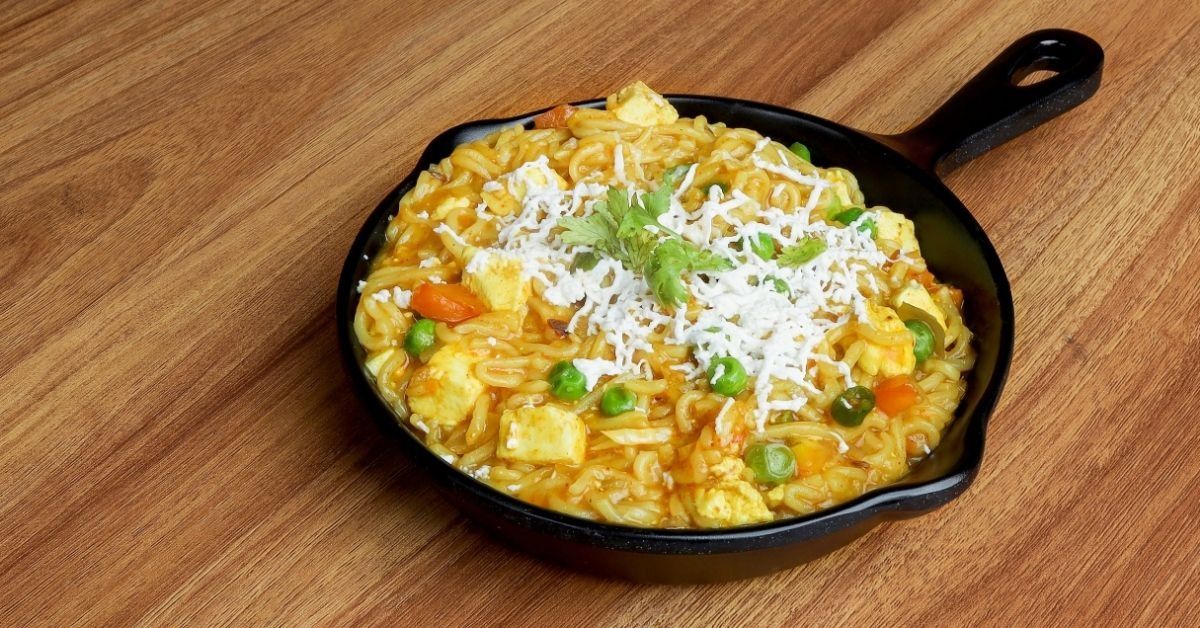
Maggi Side Effects:10 Reasons to Avoid Eating Maggi
Can we have your 2 minutes? Indeed, we can read while eating your most loved food! Yes, it is none other than your favorite instant noodles. Maggi has become an emotion for many today. It is a go-to meal for students, professionals, and households alike, owing to its quick preparation and savory flavor. But, have you ever stopped to consider if it is actually healthy? While it satisfies your taste buds, it is important to understand the nutritional reality behind this convenience food.
It is often said that everything that shines is not gold, and this certainly applies to processed instant noodles. It might offer comfort, but understanding the ingredients can help you make better dietary choices. In this guide, we break down why frequent consumption of Maggi may be detrimental to your long-term health.
Also Read: How Many Calories in 1 Maggi? Should You Even Consume It?
Maggi Side Effects
While Maggi is a popular comfort food, it is categorized as a ultra-processed food. Nutritionists generally advise against making it a staple in your diet due to its high sodium content and lack of essential nutrients. Here are 10 key reasons to reconsider your intake of Maggi:
1. Presence of Refined Wheat Flour
Maggi is primarily made from refined wheat flour, commonly known as maida. Unlike whole grains, refined flour is stripped of its fiber and essential nutrients during the milling process. Because it lacks fiber, it is digested very quickly, leading to rapid spikes in blood sugar levels rather than providing sustained energy.
2. Empty Caloric Density
Maggi is calorie-dense but nutrient-poor. This means that while it provides energy through simple carbohydrates and fats, it lacks the vitamins, minerals, and proteins required for optimal body function. Relying on such foods can lead to “hidden hunger,” where your body receives calories but remains malnourished.
3. Presence of Processed Vegetable Oils
Instant noodles are typically pre-fried in vegetable oils to ensure they cook quickly. The quality and type of oil used in mass production are often not disclosed in detail. These oils, when processed at high heat, can contain oxidized fats that may contribute to systemic inflammation in the body over time.
4. Potential for Digestive Issues
The refined nature of the flour and the preservatives used in instant noodles can be tough on the digestive system. Many people report bloating, acidity, and discomfort after consuming these noodles. Furthermore, the additives may disrupt healthy gut flora, which is essential for maintaining smooth metabolic processes.
5. Reliance on Synthetic Additives
Maggi contains various synthetic additives and stabilizers designed to improve texture and shelf life. These are highly processed substances that the human body is not evolved to digest efficiently. Frequent consumption of synthetic food additives is often linked to long-term health concerns.
6. Weakened Metabolic Activity
Regular consumption of ultra-processed foods is associated with a slower metabolism. Because these noodles lack the protein and fiber necessary to keep you full, they can lead to frequent hunger and cravings for more unhealthy snacks, creating a cycle that negatively impacts your body composition and energy levels.
7. Limited Nutritional Benefit of Dehydrated Vegetables
While some variants market themselves as having vegetables, these are typically dehydrated and provide minimal nutritional value compared to fresh produce. They do not compensate for the lack of fiber or the high sodium levels found in the spice mix.
8. High Sodium Levels
One of the biggest concerns with instant noodles is the sodium content found in the taste-maker sachet. High sodium intake is a well-documented risk factor for hypertension (high blood pressure) and can place unnecessary strain on your kidneys and cardiovascular system.
9. Presence of Trans Fats
Some instant noodle products may contain trace amounts of trans fats, which are considered the most harmful type of fat. Trans fats are known to increase “bad” LDL cholesterol while decreasing “good” HDL cholesterol, significantly elevating the risk of heart disease and obesity.
10. Presence of Monosodium Glutamate (MSG)
MSG is a flavor enhancer often found in processed savory foods. While food safety authorities generally consider it safe in controlled amounts, it is a source of controversy. Some individuals are sensitive to MSG, reporting headaches or flushing, and its presence can encourage over-consumption by making the food unnaturally palatable.
How to Make Instant Noodles Healthier
If you choose to eat noodles occasionally, you can mitigate some of the negative effects by:
- Adding Fresh Vegetables: Boost the fiber content by adding carrots, peas, beans, or spinach.
- Adding Protein: Include a source of lean protein like tofu, paneer, boiled eggs, or chicken to make the meal more satiating.
- Reducing the Taste-Maker: Use only half of the flavor sachet to significantly cut down on sodium and MSG intake.
- Drain the Water: Cooking the noodles and draining the water helps remove some of the excess surface starch and oil.
Also Read: Moong Dal Calories, Weight Loss & Nutrition Facts – Nutritionist Backed
Summing up on Maggi Side Effects
Maggi remains a popular choice for its taste and convenience, but it should be viewed as an occasional treat rather than a daily meal. By understanding the ingredients and being mindful of portion sizes, you can enjoy it without making it a habitual part of your diet. Prioritizing whole, unprocessed foods remains the most effective way to maintain long-term health and vitality.

This article is reviewed by Russel, before publishing. If you have any doubt, you can contact us or consult with your nearby doctor. Remember, in medical matters, there is no same advice, cure, and medicine for all.