
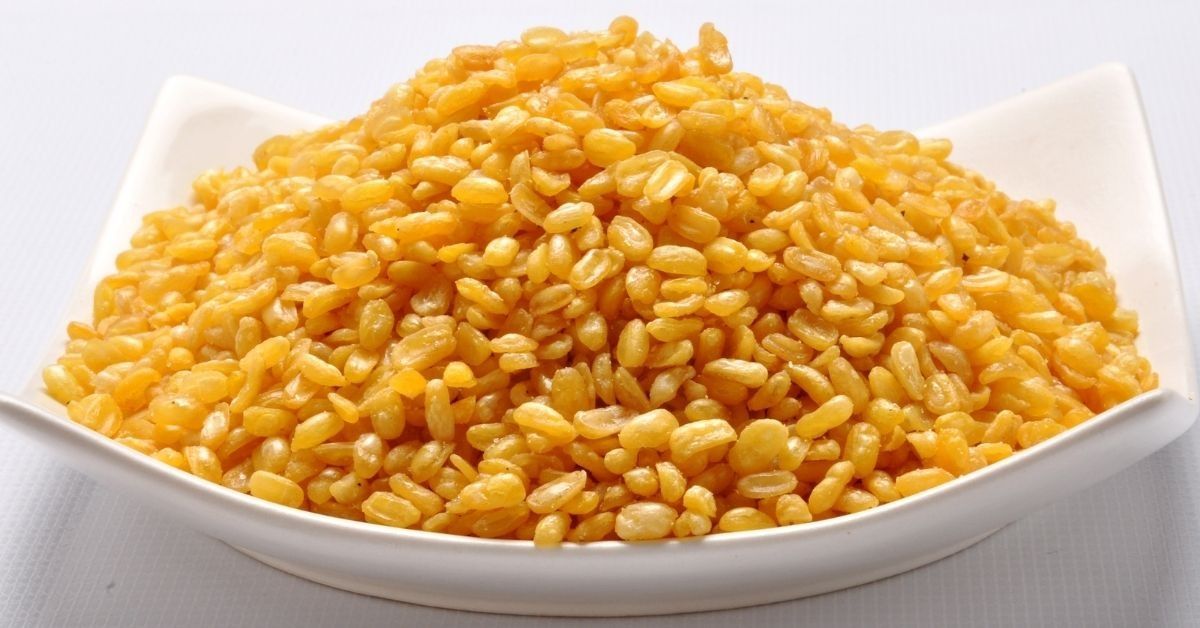
Moong Dal Calories, Weight Loss & Nutrition Facts
Moong dal, also known as mung bean, is a staple legume in many diets and is widely regarded as one of the best plant-based sources of nutrition for weight loss and muscle maintenance. Its dense profile of high-quality plant protein and dietary fibre makes it an ideal inclusion for those looking to manage their weight or increase their daily protein intake, particularly for vegetarian athletes or those following a balanced diet.
Understanding the nutritional profile of this versatile legume can help you make better informed dietary choices. Read on to explore moong dal calories, its complete nutritional composition, and why it is considered a functional superfood.
How Many Calories Are There in One Serving of Moong Dal?
Moong dal is a nutrient-dense food that provides sustained energy. A standard serving (approximately one cup of boiled moong dal) contains roughly 147 calories. Beyond the calorie count, it is prized for being a complete package of essential amino acids, dietary fibre, and micronutrients like folate, magnesium, and potassium.
The nutritional profile of cooked Moong Dal per cup generally consists of:
| Nutrient | Amount |
|---|---|
| Energy | 147 kcal |
| Protein | 14.2 grams |
| Carbohydrates | 28 grams |
| Sugar | 3 grams |
| Cholesterol | 0 mg |
| Sodium | 28 mg |
| Fibre | 12 grams |
This superfood is commonly available as whole green moong dal (with the skin) or split yellow moong dal (skinned). While their calorie counts are similar, they differ slightly in texture and nutrient concentration:
| Nutrient | Green Moong Dal | Yellow Moong Dal |
|---|---|---|
| Calories | 147 | 148 |
| Fat | 0.6g | |
| Protein | 25.7g | 24.5g |
| Fibre | 12.0g | 10.2g |
How to Burn 147 Calories
If you are monitoring your caloric intake, it is helpful to know that burning 147 calories through physical activity is highly achievable with moderate movement. You do not always need a gym membership to maintain a healthy caloric balance; simple daily activities can be just as effective.
Here are several ways to burn 147 calories through various movements:
- Climb Stairs: 15-20 minutes of steady stair climbing.
- Brisk Walking: 30-35 minutes of walking at a brisk pace.
- Jump Rope: 10-15 minutes of continuous jumping.
- Cleaning/Chores: 45-60 minutes of active housework.
- Yoga/Stretching: 60 minutes of flow-based yoga practice.
- Dancing: 45 minutes of moderate-intensity dancing.
Is Moong Dal Healthy?
Yes, moong dal is a highly healthy legume. It is easily digestible compared to other pulses and is rich in bioactive compounds that support overall health. Its low glycemic index and high nutrient density make it a foundation for a healthy heart and stable energy levels.
Health Benefits of Moong Dal
- Vitamins and Minerals: Moong dal is a good source of B-vitamins, particularly folate (Vitamin B9), as well as essential minerals like iron, magnesium, and potassium.
- Weight Management: The combination of high fibre and protein content promotes satiety, helping to reduce hunger cravings and prevent overeating.
- Heart Health: Regular consumption of legumes like moong dal is associated with improved cholesterol profiles, as they help reduce low-density lipoprotein (LDL) levels.
- Blood Sugar Regulation: Being a complex carbohydrate, it releases glucose into the bloodstream slowly, preventing spikes and making it a safe, nutrient-rich option for those managing diabetes.
- Antimicrobial Properties: Research suggests that the polyphenols and enzymes found in mung beans may possess antioxidant and anti-inflammatory properties that help combat oxidative stress in the body.
Is Moong Dal Good for Weight Loss?
Moong dal is often recommended by nutritionists for weight loss because of its thermic effect and high satiety index. Because it is rich in plant protein, your body uses more energy to digest it compared to processed carbohydrates. Furthermore, its fibre content aids in gut health and prevents the blood sugar crashes that often lead to mid-day snacking. To maximize these benefits, consider using moong dal in soups, salads, or traditional dal preparations with minimal oil.
Frequently Asked Questions
Can I eat moong dal every day?
Yes, moong dal is light on the stomach and nutritionally balanced, making it safe for daily consumption for most people.
Does moong dal cause bloating?
Unlike some other beans (like kidney beans or chickpeas), moong dal is generally easy to digest and is less likely to cause gas or bloating, especially when soaked before cooking.
Is yellow moong dal better than green?
Green moong dal contains more fibre due to the outer skin, making it slightly more beneficial for digestion and satiety. Yellow moong dal is easier to digest, making it an excellent choice for recovery or digestive sensitivity.
By incorporating moong dal into your diet, you are choosing a low-glycemic, high-protein food that supports metabolic health and sustainable weight management. Whether you prefer the earthy taste of whole green moong or the soft texture of yellow split moong, this legume remains one of the most accessible and effective superfoods for long-term wellness.
Related Posts

This article is reviewed by Russel, before publishing. If you have any doubt, you can contact us or consult with your nearby doctor. Remember, in medical matters, there is no same advice, cure, and medicine for all.
