
Fighting Cancer – Foods to Include in Your Diet
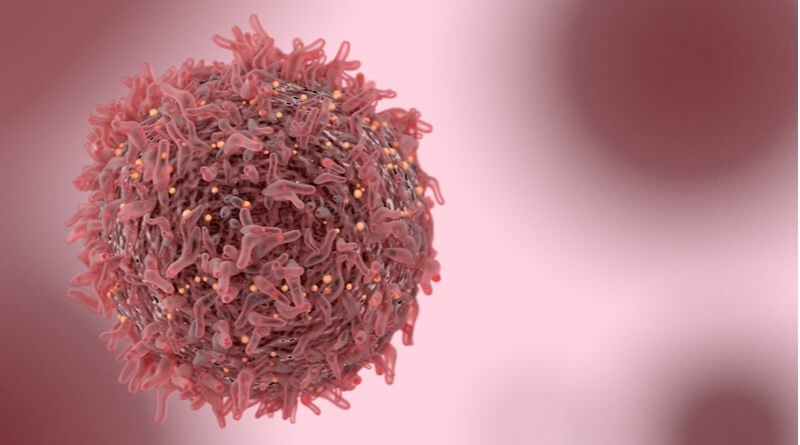
Cancer is a complex group of over 100 distinct diseases characterized by the uncontrolled growth and spread of abnormal cells in the body. Typically, the body’s natural regulatory mechanisms signal cells to stop dividing or to die when they become damaged. In cancer, these signals fail, causing old or damaged cells to survive and proliferate, often forming masses known as tumors. However, certain cancers, such as leukemia, function differently by circulating through the blood rather than forming solid masses.
Cancers are generally classified based on their site of origin:

- Carcinomas: These are the most common types of cancer, beginning in the epithelial tissues that cover the internal and external surfaces of the body, including glands and organs. Examples include breast, lung, prostate, and colorectal cancer.
- Sarcomas: These cancers originate in connective tissues that support the body, such as muscles, tendons, fat, nerves, blood vessels, cartilage, and bone.
- Leukemias: Often described as cancer of the blood-forming tissues, leukemia occurs when the bone marrow produces abnormal white blood cells that crowd out healthy blood cells. The primary types include acute and chronic myeloid leukemia, as well as acute and chronic lymphocytic leukemia.
- Lymphomas: This cancer begins in the lymphatic system, a vital part of the immune system that helps the body fight infections. The two main categories are Hodgkin lymphoma and non-Hodgkin lymphoma.
Also Read : Top 5 Anti-Inflammatory Foods You Can Eat to Prevent Breast Cancer
Emerging research underscores that lifestyle factors, particularly nutrition, play a significant role in managing cancer treatment and promoting recovery. While nutrition is not a replacement for medical interventions like chemotherapy, radiation, or immunotherapy, a well-planned diet can help maintain strength, support immune function, and manage side effects. It is important to note that no single superfood can prevent or cure cancer; rather, the focus should be on a balanced, nutrient-dense dietary pattern.
Nutrient-Rich Foods to Support Your Body
During cancer treatment, the body often faces increased metabolic demands and the challenge of repairing healthy cells damaged by conventional therapies. Prioritizing the following food groups can help maintain energy levels and overall well-being:
- Vegetables: Cruciferous vegetables such as broccoli, cauliflower, and cabbage are rich in sulforaphane, a compound studied for its potential to support healthy cell regulation. Carotenoid-rich vegetables like carrots and tomatoes are also foundational additions for a diet focused on cellular health.

- Fruits: Berries, citrus, and stone fruits provide essential antioxidants, vitamins, and phytochemicals that combat oxidative stress. Regular intake of diverse fruits supports immune system resilience.

- Flaxseeds: These are an excellent source of lignans and omega-3 fatty acids. Ground flaxseed is often recommended for its potential role in supporting metabolic health and reducing systemic inflammation.
- Spices: Culinary spices like cinnamon and turmeric (specifically the active compound curcumin) are widely studied for their anti-inflammatory and antioxidant properties, which may complement a supportive nutritional plan.

- Beans and Legumes: High in dietary fiber and plant-based protein, beans, lentils, and chickpeas are vital for gut health and sustaining energy levels. Consistent consumption of legumes is associated with better metabolic outcomes.

- Fatty Fish: Rich in omega-3 fatty acids, cold-water fish like salmon, sardines, and mackerel help manage inflammation and provide high-quality protein necessary for tissue repair.

- Dairy and Alternatives: Quality matters when choosing dairy. Fermented options like yogurt or kefir provide probiotics that support a healthy microbiome. Always opt for grass-fed or organic sources when possible, and be mindful that highly processed dairy products with added sugars should be avoided.

Dietary Considerations and Foods to Limit
While adding nutrient-dense foods is important, reducing the intake of inflammatory or processed substances is equally vital for recovery:
- Sugar and Refined Carbohydrates: These can cause rapid spikes in blood glucose and insulin levels, which may interfere with metabolic balance.
- Processed Meats: The International Agency for Research on Cancer (IARC) classifies processed meats as carcinogenic. It is advisable to minimize intake of sausages, deli meats, and bacon in favor of fresh, lean protein sources.
- Cooking Methods: Highly charred or overcooked foods can produce harmful compounds. Opting for steaming, poaching, or baking is often gentler on a digestive system sensitized by treatment.
Managing Appetite During Treatment
Changes in taste and appetite are common side effects of cancer treatment. To maintain adequate nutrition, consider these strategies: eat smaller, more frequent meals; choose high-calorie, nutrient-dense foods like avocado, nuts, and seeds; and present meals in an appealing way to encourage interest in food. Always consult with your oncologist or a registered oncology dietitian before making significant changes to your diet, as individual nutritional needs vary based on treatment type and physical health status.
Also Read: How Organic Strawberries and Other Fruits Help Prevent Cancer
Related Posts

This article is reviewed by Russel, before publishing. If you have any doubt, you can contact us or consult with your nearby doctor. Remember, in medical matters, there is no same advice, cure, and medicine for all.