
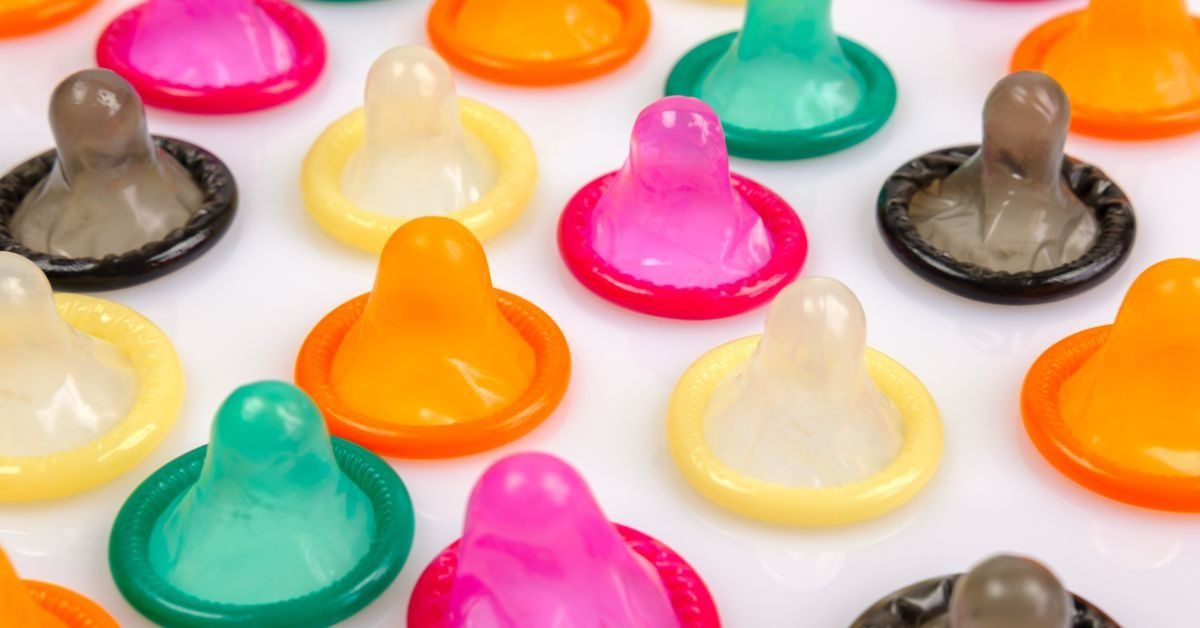
Your Guide for Lubricants for Condoms: Can They Work Together?
Condom lubricant is a liquid substance designed to enhance sexual comfort by reducing friction during intercourse. Beyond providing a smoother experience, it serves as a critical tool for sexual health, as it can help prevent condom breakage and minimize the risk of micro-tears, which are potential entry points for sexually transmitted infections (STIs). Selecting the correct lubricant for your specific needs is vital to maintaining both safety and intimacy.
This guide explores the relationship between condoms and lubricants, covering the different types available, how to identify the right product for your needs, and best practices for safe, effective use.
What is Lubricant for Condoms?
Lubricant for condoms is a specialized topical product used to increase pleasure, improve comfort, and reduce the mechanical stress that can lead to condom failure. Lubricants are categorized primarily by their base ingredients: water, silicone, or oil.
The critical factor in choosing a lubricant is material compatibility. Not all substances can be safely paired with the materials used in condom manufacturing, such as latex or polyisoprene. Using an incompatible lubricant can degrade the condom material, rendering it ineffective. Generally, water-based lubricants are considered the gold standard for compatibility, as they are safe to use with all condom types and are unlikely to cause material degradation.
Why Use Lubricant with Condoms?
Using lubricant with condoms is an essential practice for a healthy and comfortable sexual experience. Beyond simply reducing friction, well-chosen lubricants serve several protective functions:
- Preventing Breakage: Insufficient lubrication is a leading cause of condom failure. Lubricant acts as a buffer, preventing the condom from stretching beyond its elastic limit.
- Safety and Comfort: Proper lubrication helps prevent skin irritation and abrasions, which can be particularly important during prolonged sexual activity.
- Material Integrity: Using a compatible, high-quality lubricant protects the barrier function of the condom, ensuring that it provides the protection against STIs and unintended pregnancy for which it was designed.
Some lubricants also offer functional features, such as warming or cooling sensations, which may enhance pleasure for some users. However, always ensure that any added ingredient is hypoallergenic and safe for sensitive genital tissue.

What Type Should You Buy?
When shopping for lubricants, understanding the composition is key to safety. Here is how the three main types perform with condoms:
- Water-Based Lubricants: These are the most recommended choice. They are non-staining, easy to clean, and fully compatible with latex, polyisoprene, and polyurethane condoms. They are also safe to use with sex toys.
- Silicone-Based Lubricants: Known for being long-lasting, smooth, and slippery, these are excellent for users with sensitive skin as they are typically hypoallergenic. They are compatible with latex condoms, but they should generally not be used with silicone sex toys, as they can degrade the material.
- Oil-Based Lubricants: Substances like baby oil, mineral oil, and massage oils are highly discouraged for use with condoms. These products rapidly break down latex, causing it to weaken or dissolve almost instantly, which significantly increases the risk of the condom tearing during use.
Always verify that your lubricant is “condom-compatible” by checking the product label. Avoiding oils is the most important rule for maintaining condom efficacy.
How to Use Lubricants for Condoms
Applying lubricant correctly can significantly improve the performance and comfort of the condom. Follow these steps to ensure safe application:
- Check the Condom: Before applying any lubricant, ensure the condom is placed on the penis correctly and securely according to the manufacturer instructions.
- Application: Place a small amount of water-based or silicone-based lubricant on the outside of the condom once it is in place. You may also apply a small amount to your partner’s genitals for added comfort.
- Monitor and Reapply: During intercourse, keep an eye on the friction level. If you notice the condom feels dry, reapply lubricant as needed to prevent the condom from pulling or sticking, which could lead to slippage or breakage.
- Avoid Excess: While you need enough to prevent friction, using excessive amounts of lubricant can cause the condom to lose its grip and slip off. A pea-sized amount is usually a good starting point.
What to Avoid
To keep your sexual health a priority, avoid these common mistakes when using condoms with lubricants:
- Never use oil-based products: Keep petroleum jelly, coconut oil, baby oil, and body lotions away from latex condoms.
- Be wary of “extra” additives: Avoid lubricants containing spermicide (like Nonoxynol-9), which has been linked to vaginal irritation and may increase susceptibility to certain infections.
- Watch for expiration dates: Always check the expiry date on both your condom box and your lubricant bottle. Expired products lose their effectiveness and are prone to structural failure.
- Avoid sugar-based lubes: Flavored lubricants often contain sugar, which can lead to yeast infections in some individuals. If you use flavored lubricants, ensure they are sugar-free.
Summary
Using lubricant is a standard, responsible practice that enhances comfort and reinforces the safety benefits of using a condom. By sticking to water-based or silicone-based lubricants and avoiding oil-based products, you can ensure the integrity of the condom remains intact. Always read the packaging labels to confirm compatibility, and prioritize high-quality, body-safe products to ensure a positive and protected experience.
FAQs
Do Condoms Need to Be Lubricated?
While many condoms come pre-lubricated, using additional lubricant is often recommended to reduce friction, prevent discomfort, and protect against breakage caused by dryness or excessive movement.
Is It Okay to Use Vaseline With Condoms?
No. Petroleum jelly, such as Vaseline, is oil-based and will damage latex condoms within seconds of contact. It can cause the material to weaken or tear, significantly increasing the risk of contraceptive failure and STI transmission.
Is It Okay to Use Coconut Oil With Condoms?
No. Similar to petroleum jelly, coconut oil is an oil-based product that compromises the structural integrity of latex. It should never be used with latex barrier methods.
Can You Use Aloe Vera as Lube?
You can use natural, 100% pure aloe vera gel as a lubricant, as it is water-based and typically safe for use with condoms. However, ensure the product contains no alcohol, perfumes, or additives that could cause irritation to sensitive tissues. As with any new product, a patch test is recommended before use.
References
What is a lubricant? – https://www.issm.info/sexual-health-qa/what-is-a-lubricant
To Lube or Not to Lube: Experiences and Perceptions of Lubricant Use in Women With and Without Dyspareunia – https://www.jsm.jsexmed.org/article/S1743-6095(15)33711-5/fulltext
Covert Use, Vaginal Lubrication, and Sexual Pleasure: A Qualitative Study of Urban U.S. Women in a Vaginal Microbicide Clinical Trial – https://link.springer.com/article/10.1007/s10508-009-9509-3
Intravaginal Practices and Risk of Bacterial Vaginosis and Candidiasis Infection Among a Cohort of Women in the United States – https://journals.lww.com/greenjournal/Abstract/2013/04000/Intravaginal_Practices_and_Risk_of_Bacterial.12.aspx
Related Posts
| 15 Foods to Eat Before Sex for Longer Stamina |
| Nightfall (Wet Dreams/ Swapandosh) - Causes, Treatments, FAQs |

This article is reviewed by Russel, before publishing. If you have any doubt, you can contact us or consult with your nearby doctor. Remember, in medical matters, there is no same advice, cure, and medicine for all.