
The Top Food Ingredients to Manage Hypertension

Hypertension, commonly known as high blood pressure, refers to the force of blood pushing against the arterial walls. Over time, persistent high blood pressure damages blood vessels, significantly increasing the risk of cardiovascular disease, stroke, and chronic kidney disease. Often labeled the “silent killer,” hypertension frequently presents no noticeable symptoms, leaving many individuals unaware of their condition until complications arise. While non-modifiable factors like age, gender, and genetics play a role, lifestyle choices—specifically regular physical activity and a heart-healthy diet—are instrumental in managing and even preventing hypertension.
Scientific evidence consistently demonstrates that dietary interventions are a primary strategy for blood pressure management. The Dietary Approaches to Stop Hypertension (DASH) eating plan, for instance, emphasizes nutrient density to improve vascular health.
An effective blood pressure management diet prioritizes minerals like magnesium and potassium, high fiber intake, and a strict reduction in sodium consumption. Below are key food categories that support healthy blood pressure levels.
Essential Foods to Manage Hypertension
- Leafy Green Vegetables: Potassium acts as a natural diuretic, helping the kidneys flush excess sodium out of the body through urine. This process reduces tension in the arterial walls. Spinach, Swiss chard, kale, and collard greens are excellent sources of potassium and nitrates. When shopping, always opt for fresh or frozen varieties, as canned vegetables often contain hidden sodium additives that can counteract your health goals.
- Berries: Blueberries, strawberries, and raspberries are rich in flavonoids, particularly anthocyanins. Research suggests that these compounds may help prevent hypertension and support arterial function. Incorporating a handful of berries into your morning cereal or as a standalone snack provides a potent dose of heart-healthy antioxidants.
- Yogurt: As a fermented dairy product, yogurt provides calcium, magnesium, and potassium—minerals essential for regulating blood pressure. Look for plain, unsweetened Greek yogurt to avoid added sugars, which can contribute to inflammation. You can enhance the nutritional profile by topping your yogurt with fresh fruit, nuts, or seeds.
- Oatmeal: Whole grains are a cornerstone of a heart-healthy diet. Oatmeal is naturally low in fat and sodium while being an excellent source of beta-glucan, a type of soluble fiber. High-fiber foods have been linked to lower blood pressure levels and improved heart health. Starting your day with a bowl of oatmeal is a simple way to maintain steady blood pressure throughout the day.
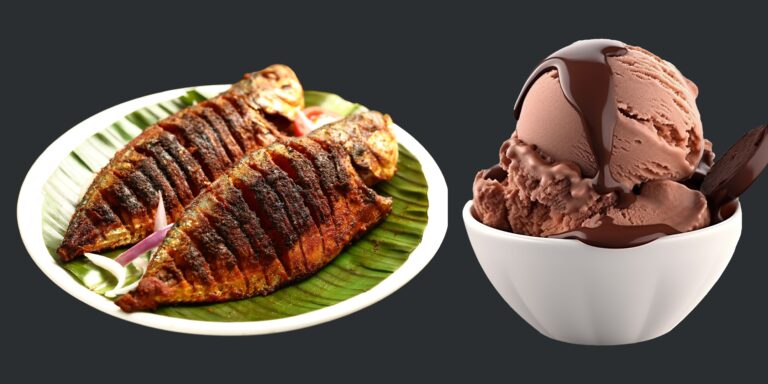
- Fatty Fish: Rich in Omega-3 fatty acids, fish like salmon, mackerel, and sardines help reduce inflammation and lower triglycerides. These healthy fats are essential for maintaining clear blood vessels and healthy blood pressure levels. Aim to include fatty fish in your diet at least twice a week.
- Seeds and Nuts: Flaxseeds, chia seeds, pumpkin seeds, and walnuts are packed with magnesium, potassium, and fiber. These small but nutrient-dense foods are excellent for heart health. Be sure to select unsalted versions to maintain a low-sodium intake.
Best Practices for Reducing Sodium Intake
Beyond adding heart-healthy foods, reducing sodium is the most critical step in managing hypertension. The American Heart Association recommends aiming for 1,500 mg of sodium per day for most adults with high blood pressure. You can achieve this by limiting processed foods, checking nutrition labels for “sodium” or “salt” content, and using herbs, spices, lemon juice, or vinegar to season your meals instead of relying on the salt shaker.
Consistent lifestyle changes are more effective than sporadic efforts. By focusing on whole, unprocessed foods and monitoring your sodium intake, you can take proactive control of your blood pressure and support your long-term cardiovascular health. If you are currently on medication, always consult with your healthcare provider before making significant changes to your diet to ensure they align with your overall treatment plan.
Related Posts
| 15 Foods to Eat Before Sex for Longer Stamina |
| Lower Your Blood Pressure with the Following Foods |
| Does Consumption of Licorice Lead to High Blood Pressure Levels? |

This article is reviewed by Russel, before publishing. If you have any doubt, you can contact us or consult with your nearby doctor. Remember, in medical matters, there is no same advice, cure, and medicine for all.