
Does Consumption of Licorice Lead to High Blood Pressure Levels?
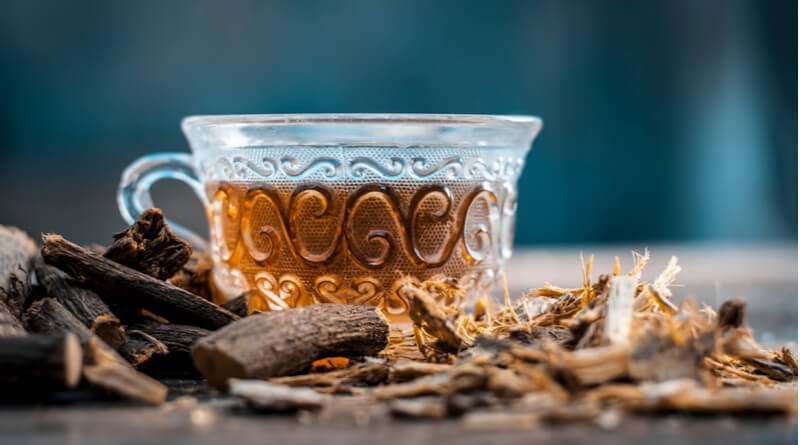
Black licorice is a polarizing treat, often considered an acquired taste. Beyond its popularity as a confectionery item, licorice root is frequently utilized as a botanical ingredient in herbal teas, including chai blends, detox infusions, and various spiced beverages. While licorice is often associated with traditional herbal medicine, it is important to recognize that, like many dietary components, it carries specific risks when consumed in excess.
Regularly consuming large or even moderate amounts of black licorice—specifically quantities around 57 grams or more per day—can lead to adverse health effects, particularly regarding your blood pressure levels. The primary concern associated with excessive licorice root intake is a compound known as glycyrrhizin.
The Role of Glycyrrhizin in Blood Pressure
Glycyrrhizin is the natural compound responsible for the distinct sweetness of the licorice plant, estimated to be 30 to 50 times sweeter than standard table sugar. While this makes it a potent flavoring agent, it also triggers significant physiological changes in the body. Specifically, glycyrrhizin can disrupt the body’s delicate balance of sodium and potassium.
Because the body relies on the interaction between sodium and potassium to regulate fluid levels and maintain vascular health, this disruption can result in several clinical manifestations. When your body retains too much sodium while simultaneously losing potassium, it often results in hypertension, or elevated blood pressure.
Symptoms of Licorice Toxicity
If you consume excessive amounts of glycyrrhizin, you may experience more than just spikes in blood pressure. The imbalance of electrolytes can lead to a condition known as pseudohyperaldosteronism. Common signs that your licorice intake may be too high include:
- Persistent high blood pressure (hypertension)
- Muscle weakness or cramping
- Fluid retention and swelling (edema)
- Heart rhythm abnormalities (arrhythmias)
- Low potassium levels (hypokalemia)
Is Licorice Consumption Reversible?
The good news is that these negative effects are typically reversible. If you suspect your licorice intake has reached an unhealthy level, the most effective step is to discontinue consumption immediately. In most cases, once the glycyrrhizin is eliminated from your system, your body will naturally recalibrate its electrolyte levels, and symptoms should subside within a few days.
Best Practices for Consumption
Eating licorice is not inherently dangerous for most healthy individuals when enjoyed in moderation. However, if you are currently managing hypertension, heart disease, or kidney conditions, it is advisable to consult with a healthcare professional before including licorice root in your diet.
To stay safe, always read ingredient labels. Many products labeled as “licorice candy” are actually flavored with anise oil rather than authentic licorice root, which does not contain glycyrrhizin. If you enjoy authentic licorice tea or root extracts, monitor your daily intake and remain vigilant for any physical changes, such as unexplained fatigue or swelling, which may signal that you have exceeded your body’s tolerance for this compound.
Related Posts
| Lower Your Blood Pressure with the Following Foods |
| Home Remedies for Hypertension - Vaya News |
| The Top Food Ingredients to Manage Hypertension |
| Why Blood Pressure is also a Silent Killer |

This article is reviewed by Russel, before publishing. If you have any doubt, you can contact us or consult with your nearby doctor. Remember, in medical matters, there is no same advice, cure, and medicine for all.
