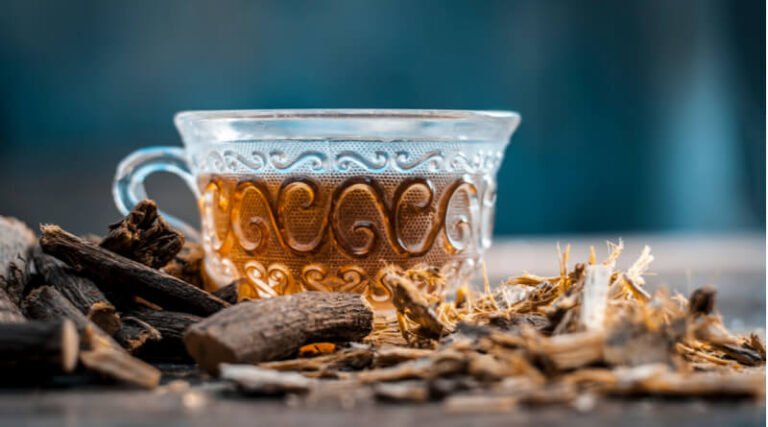
Mango Leaves Tea Benefits And Side Effects
Mango leaves tea, an aromatic herbal infusion derived from the leaves of the Mangifera indica tree, has transitioned from a traditional remedy to a global wellness trend. While the fruit is celebrated for its sweet taste, the leaves are increasingly recognized for their bioactive compounds, including mangiferin—a unique xanthone that serves as a primary focus of current pharmacological research. Understanding the profile of this tea requires a balanced look at both its historical applications and modern scientific insights into how these plant-based compounds interact with the human body.
Key Health Benefits and Bioactive Compounds
The therapeutic potential of mango leaves is largely attributed to their dense concentration of phytonutrients. Research suggests these compounds may play a role in metabolic health and cellular protection:
- Potent Antioxidant Profile: Mango leaves are rich in polyphenols, particularly flavonoids and phenolic acids. These antioxidants help neutralize free radicals, potentially reducing systemic oxidative stress and lowering the risk of chronic cellular damage.
- Blood Sugar Regulation: One of the most researched aspects of mango leaf extract is its potential to assist in blood glucose management. Preliminary studies suggest that mangiferin may improve insulin sensitivity and support healthier blood sugar levels by potentially slowing glucose absorption in the intestines.
- Digestive and Gut Health: The tea is traditionally utilized to soothe digestive distress. Its anti-inflammatory properties may help manage symptoms of bloating, indigestion, and minor gastric discomfort, while its mild astringent nature can support overall intestinal balance.
- Immune System Support: By modulating inflammatory pathways, the bioactive compounds in the leaves may contribute to a more resilient immune response, potentially bolstering the body against minor seasonal ailments.
- Anti-inflammatory and Respiratory Relief: Beyond general wellness, the tea is often used in traditional circles to alleviate symptoms associated with bronchitis and persistent coughs, largely due to the bronchodilatory effects and antimicrobial properties attributed to specific leaf extracts.
Traditional Uses in Herbal Medicine
For centuries, Mangifera indica has been a cornerstone of Ayurvedic and Traditional Chinese Medicine (TCM). Historically, practitioners have utilized the leaves not just as a tea, but in decoctions, poultices, and dried powders to address various bodily imbalances:
- Metabolic Balancing: Used historically as an adjunct to help maintain energy levels and support the body’s natural metabolic processes.
- Skin Health: Some traditional practices involve using cooled tea as a topical rinse or compress. It is valued for its potential antibacterial and soothing properties in treating minor skin irritations, insect bites, or promoting wound healing.
- Fever and Pain Management: Historically valued in various cultures as a mild febrifuge (fever-reducer) and an analgesic aid for localized discomfort or inflammatory joint pain.
Potential Side Effects and Safety Precautions
While natural, herbal infusions can affect the body significantly. It is important to approach mango leaf tea with a focus on safety and moderation:
- Allergic Sensitivities: Individuals with known sensitivities to the Anacardiaceae family (which includes cashews, pistachios, and poison ivy) should exercise caution, as they may exhibit cross-reactivity, resulting in rashes, itching, or oral irritation.
- Medication Interactions: Because mango leaf tea may impact blood glucose and blood pressure, it can interact with pharmaceuticals—specifically anti-diabetic medications, blood thinners (anticoagulants), and antihypertensives. Monitoring your levels is essential if you are currently under medical supervision.
- Gastrointestinal Sensitivity: Excessive consumption may lead to stomach upset, nausea, or a mild laxative effect in sensitive individuals. Start with small, infrequent doses to assess your personal tolerance.
- Pregnancy and Lactation: Due to a lack of robust clinical data regarding the safety of concentrated leaf extracts during pregnancy, it is strongly advised that those who are pregnant or breastfeeding avoid medicinal doses unless cleared by their obstetrician or healthcare provider.
Frequently Asked Questions (FAQ)
How is mango leaf tea typically prepared?
To prepare, boil 3-5 clean, young mango leaves in two cups of water. Allow the mixture to simmer until the water changes color (typically a light brown or green), strain, and serve warm. It is best to use young, fresh, organic leaves, as older leaves may be tougher and contain different concentrations of tannins.
Can I drink mango leaf tea every day?
Most herbalists recommend using it as an occasional beverage rather than a daily staple. If you are drinking it to manage specific health goals, such as blood sugar support, consult a professional to determine a safe, long-term protocol that avoids potential accumulation of tannins or interference with other nutrients.
What does mango leaf tea taste like?
Mango leaf tea typically has a mild, earthy, and slightly vegetal flavor profile, often described as similar to a light green tea or herbal infusion with subtle floral undertones. It is not sweet like the fruit itself.
The transition from traditional folk medicine to evidence-based wellness highlights the importance of moderation and informed consumption. While mango leaf tea offers a fascinating array of potential health benefits, it should complement—not replace—prescribed medical treatments. Always prioritize quality, organic leaves that are free from pesticides, and speak with your healthcare provider to ensure this herbal addition aligns with your current health profile and medical history.
Related Posts

This article is reviewed by Russel, before publishing. If you have any doubt, you can contact us or consult with your nearby doctor. Remember, in medical matters, there is no same advice, cure, and medicine for all.