
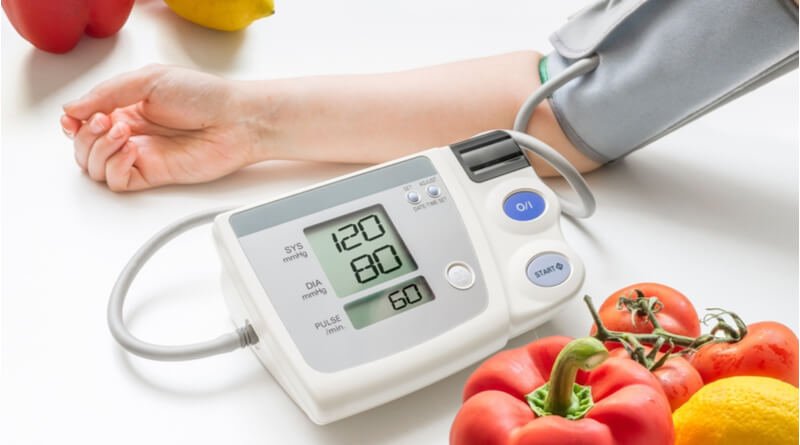
Why Blood Pressure is also a Silent Killer
High blood pressure is widely recognized by its medical term, hypertension. However, it is also frequently referred to as the Silent Killer. This nickname stems from the reality that hypertension often presents no obvious symptoms, making it difficult to identify without professional medical screening or a routine blood pressure check.
Hypertension occurs when the force of blood flowing through your blood vessels is consistently too high. Over time, this chronic arterial pressure damages the delicate inner lining of your arteries, creating a breeding ground for plaque buildup and cardiovascular disease. Because most individuals feel perfectly healthy even when their numbers are elevated, they remain unaware of the underlying damage until a clinical diagnosis is made.
The Long-Term Dangers of Untreated Hypertension
Prolonged exposure to uncontrolled high blood pressure places immense strain on your heart, blood vessels, and vital organs. When left unmanaged, it can lead to severe health complications, including:
- Cardiovascular events such as heart attack and heart failure
- Stroke and transient ischemic attacks
- Chronic kidney disease or renal insufficiency
- Vascular dementia and cognitive decline
- Hypertensive retinopathy, which can cause vision loss
While many people associate hypertension with a lack of physical symptoms, some individuals may eventually experience warning signs as the condition progresses. These can include persistent headaches, shortness of breath, nosebleeds, dizziness, chest pain, or heart palpitations. It is crucial to note that these symptoms are not specific to high blood pressure and require immediate medical evaluation.
Common Risk Factors for Hypertension
High blood pressure is rarely caused by a single factor. Instead, it is usually a combination of genetics, age, and lifestyle choices. Key risk factors include:
- Age: The risk increases as you get older, typically after age 55.
- Family History: A genetic predisposition to hypertension.
- Underlying Health Conditions: Existing issues such as diabetes, chronic kidney disease, and obstructive sleep apnea.
- Lifestyle Habits: A sedentary lifestyle, smoking, excessive alcohol consumption, and a diet high in sodium.
- Metabolic Factors: Obesity and high levels of chronic stress or anxiety.
Taking Control: Diagnosis and Management
If you suspect you have hypertension, the first step is to schedule a screening with your healthcare provider. A diagnosis is typically confirmed after multiple readings taken at different times to account for temporary fluctuations. Once diagnosed, your doctor will likely recommend a combination of medical monitoring and proactive lifestyle interventions.
Effective Lifestyle Modifications
Adopting sustainable, heart-healthy habits is the cornerstone of managing blood pressure. Focus on the following strategies:
- Nutritional Adjustments: Reduce your daily sodium intake and focus on nutrient-dense foods, such as fruits, vegetables, and whole grains.
- Weight Management: Even modest weight loss can significantly reduce the pressure on your arterial walls.
- Physical Activity: Aim for regular aerobic exercise, such as brisk walking, swimming, or cycling, as recommended by your physician.
- Stress Reduction: Incorporate mindfulness, meditation, or deep-breathing exercises to manage the physiological impact of chronic stress.
- Substance Avoidance: Prioritize quitting smoking and limiting alcohol intake to support vascular health.
Managing hypertension is a long-term commitment. By staying consistent with your treatment plan and attending regular check-ups, you can effectively lower your risk of complications and maintain better long-term heart health.
Related Posts
| Home Remedies for Hypertension - Vaya News |
| Does Consumption of Licorice Lead to High Blood Pressure Levels? |

This article is reviewed by Russel, before publishing. If you have any doubt, you can contact us or consult with your nearby doctor. Remember, in medical matters, there is no same advice, cure, and medicine for all.