
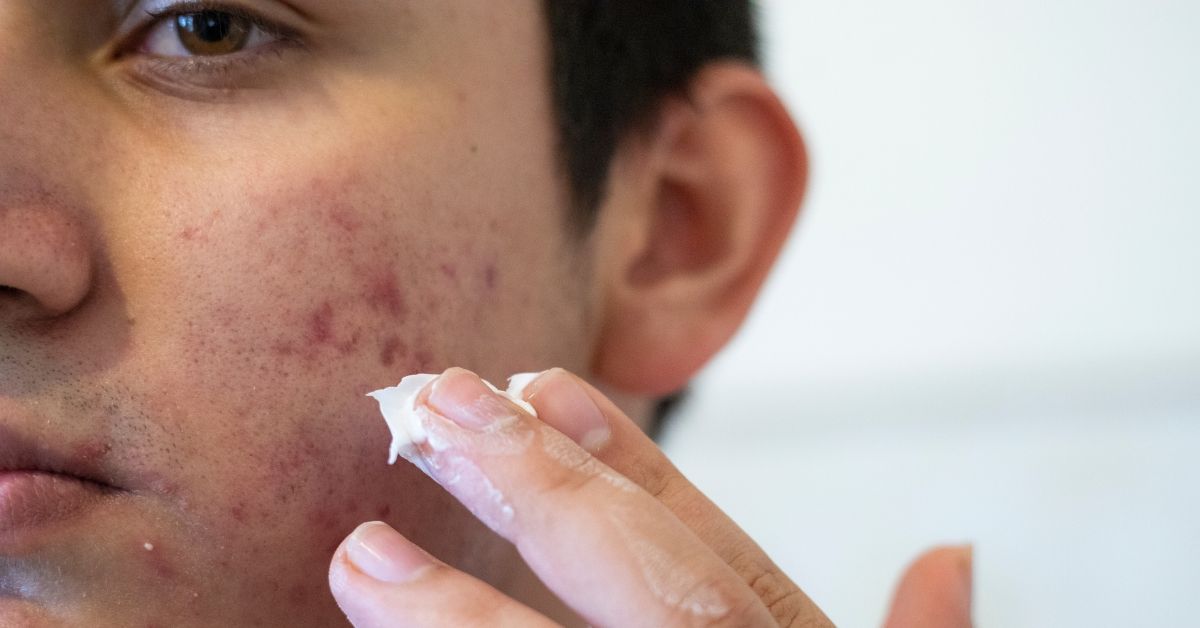
20 Natural Acne Scar Removal: Home Remedies That Work
Acne can be a frustrating and persistent challenge. Beyond the initial breakout, many people struggle with the lingering reminders it leaves behind. When acne fails to disappear without a trace, it can impact your self-esteem and confidence. While deep clinical procedures are often discussed, several gentle home remedies and skincare practices may help lighten the appearance of acne marks and support the skin’s natural healing process. Let us explore how to manage and address acne scars naturally at home.
Types of Acne Scars
To choose the right approach, it is essential to identify the specific type of scarring you are dealing with. Acne scars are broadly categorized based on how the skin’s collagen production responds to inflammation during the healing process.
The types of acne scars include:
- Atrophic scars: Small indentations or depressions in the skin caused by a loss of tissue.
- Icepick scars: Narrow, deep pits that resemble tiny pinpricks or punctures.
- Boxcar scars: Broad depressions with sharply defined, steep edges.
- Rolling scars: Indentations with sloping, irregular edges, often giving the skin an uneven or undulating appearance.
- Hypertrophic scars: Raised, firm scars that occur when the skin produces an excess of collagen while attempting to heal.
- Keloid scars: Thick, raised overgrowths of scar tissue that may extend beyond the original site of the acne, sometimes accompanied by itching or hyperpigmentation.
While many mild marks fade over time, severe or deep scarring often requires professional dermatological intervention. Home remedies are generally most effective for post-inflammatory hyperpigmentation (dark spots) rather than deep, structural tissue damage.
What Causes Acne Scars?
Acne scars form when the skin’s dermis is damaged due to deep-seated inflammation. As the skin attempts to repair this damage, it synthesizes collagen. If the body produces too little collagen, a depressed scar forms. Conversely, if there is an overproduction of collagen, a raised scar is created. Factors like skin type, genetics, and the severity of the inflammatory acne play significant roles in the likelihood of developing permanent marks.
Also Read: Neem Benefits For Acne
Remove Acne Scars Naturally At Home
While true “scar tissue” often requires professional treatments like laser resurfacing or microneedling to physically alter, home remedies focus on promoting skin cell turnover, reducing inflammation, and fading post-acne hyperpigmentation. Consistency and a gentle touch are vital when using these methods.
1) Lemon
Lemon juice contains Vitamin C and citric acid, which can act as a natural exfoliant. The alpha-hydroxy acids (AHAs) found in citrus help remove dead skin cells and brighten dark spots. Note: Always dilute lemon juice with water and avoid direct sun exposure after application, as it can make your skin photosensitive.
2) Egg Whites
Rich in proteins and albumin, egg whites are traditionally used to help tighten pores and improve skin texture. Apply a thin layer using a cotton ball, let it dry, and rinse with lukewarm water.
3) Aloe Vera Gel
Aloe vera is well-known for its soothing and anti-inflammatory properties. The presence of aloesin and barbaloin helps inhibit melanin production, which can reduce the appearance of dark spots. Fresh gel is best for moisturizing and calming irritated skin.
4) Olive Oil
Packed with antioxidants and Vitamin E, extra virgin olive oil helps hydrate the skin barrier. A gentle facial massage with a few drops can promote blood circulation and skin suppleness.
5) Sandalwood
Often used in traditional skincare, sandalwood paste (mixed with water or rosewater) has cooling properties that help soothe inflammation and brighten the complexion over time.
6) Tomato Slices or Pulp
Tomatoes are high in lycopene and Vitamins A and C. These antioxidants help combat oxidative stress, potentially helping to even out skin tone when applied as a gentle mask.
7) Baking Soda
Baking soda can act as a physical exfoliant to remove dead surface cells. Use it sparingly, as its high pH can be drying; mix a small amount with water into a paste and use it only on targeted, stubborn areas.
8) Potato Slices
Potatoes contain catecholase, an enzyme often found in skin-lightening products. Rubbing a thin slice on affected areas may help diminish the appearance of redness and minor acne marks.
9) Honey
Raw honey is a natural humectant and antibacterial agent. Applying it to the skin helps maintain moisture while encouraging the natural healing of damaged tissue.
10) Cucumber
Known for its hydrating and astringent qualities, cucumber slices can soothe inflamed skin and reduce the redness associated with fresh acne marks.
11) Turmeric Powder
Curcumin, the active compound in turmeric, is a potent anti-inflammatory. A paste made with turmeric and water or yogurt can help brighten the skin and reduce redness.
12) Coconut Oil
Rich in fatty acids, coconut oil acts as an occlusive, locking in hydration. It is best suited for those with dry skin, as it may be comedogenic (clogging) for those with oily or acne-prone skin.
13) Iced Green Tea
Green tea is loaded with epigallocatechin gallate (EGCG), which reduces inflammation. Applying chilled green tea via an ice cube can soothe redness and tighten the skin.
14) Green Coconut Water
Coconut water is packed with cytokinins and vitamins. Used as a toner, it can help nourish the skin and support cellular health.
15) Fenugreek (Methi)
Fenugreek seeds have anti-inflammatory and antiseptic properties. A paste made from soaked seeds can be applied to treat acne-related inflammation.
16) Tea Tree Oil
Tea tree oil is a powerful antimicrobial. It must always be diluted with a carrier oil before application to avoid skin irritation, as it is highly potent.
17) Yoghurt and Honey Mask
Yoghurt contains lactic acid, a mild AHA that provides gentle exfoliation, while honey provides hydration. This combination is excellent for improving skin tone and texture.
18) Besan (Gram Flour)
Besan is a traditional cleanser that helps absorb excess oil and gently exfoliates dead skin cells, helping to reveal brighter skin underneath.
19) Apple Cider Vinegar
Due to its acetic acid content, apple cider vinegar can help balance the skin’s pH. Always dilute it significantly with water to avoid chemical burns or dryness.
20) Castor Oil
Rich in ricinoleic acid, castor oil can help improve skin hydration and promote tissue health, though it is quite thick and should be used in small amounts.
Also Read: Here’s How to Treat Pimples on Scalp
Preventive Tips For Acne And Pimple Scars
The most effective way to deal with acne scars is to prevent them from forming in the first place. You can significantly lower your risk by following these practices:
- Use a non-comedogenic cleanser: Wash your face twice daily to remove dirt and excess oil without clogging pores.
- Remove makeup: Always cleanse thoroughly before bed to allow your skin to breathe.
- Do not pick or pop: Manual extraction often pushes bacteria deeper and increases tissue damage, leading to permanent scarring.
- Wear sunscreen: UV rays darken existing scars and slow down the healing process. Use a broad-spectrum SPF daily.
- Stay hydrated: Maintain a balanced diet and drink plenty of water to support your skin’s natural repair mechanisms.
Also Read: Pimples After Shaving ~ 7 Science Backed Things To Do
When to Seek Medical Help
While natural remedies are excellent for minor blemishes and maintenance, they cannot “erase” deep, tethered scars. If you notice signs of severe inflammation, cystic acne, or scarring that negatively impacts your mental well-being, it is time to consult a board-certified dermatologist. Professional treatments such as chemical peels, laser therapy, or subcision provide results that home remedies cannot achieve.
FAQs
How do I get rid of acne scars fast?
Realistically, deep acne scars cannot be removed “fast” at home. For rapid improvement, professional dermatological treatments like microneedling or fractional laser resurfacing are the most effective options.
Can you get rid of acne scars naturally?
Natural remedies are best suited for fading post-acne hyperpigmentation (dark marks) over time. They are generally ineffective for deep, pitted scars.
Does Vitamin C get rid of acne scars?
Yes, topical Vitamin C is a proven ingredient that helps brighten hyperpigmentation and supports collagen production, which can improve the appearance of minor acne marks.
Can aloe vera remove acne scars?
Aloe vera helps reduce redness and moisturizes the skin, which can make scars appear less noticeable, though it will not fill in deep, depressed scars.
How to use Multani Mitti for acne scars?
Mix two tablespoons of Multani Mitti (Fuller’s Earth) with a pinch of turmeric and honey to create a paste. Apply it to your face for 15 minutes to absorb excess oil and exfoliate dead cells, twice a week.

This article is reviewed by Russel, before publishing. If you have any doubt, you can contact us or consult with your nearby doctor. Remember, in medical matters, there is no same advice, cure, and medicine for all.
